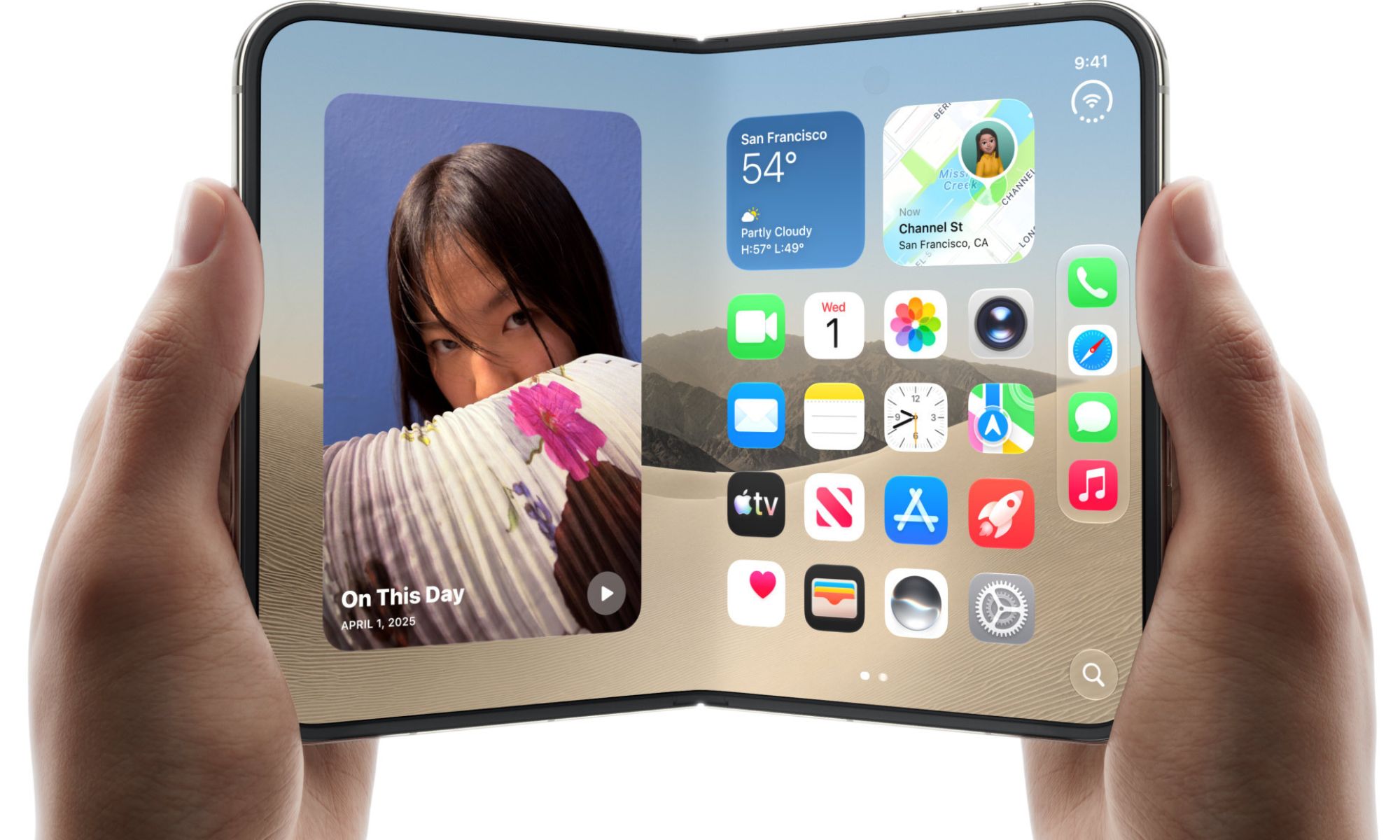
iPhone Duo vs. Galaxy Z Fold8 vs. Xiaomi 18 Fold: The 3‑Year Folding Phone Showdown That’s Shocking the World!
Google Trends data this week shows a 250% surge in searches for "iPhone Duo" alongside a 190% rise for "Galaxy Z Fold8" and a 175% spike for "Xiaomi 18 Fold" across North America, Europe, and Southeast Asia. The triple‑launch has turned the folding‑phone market into a global headline, with users scrambling to compare durability, hinge engineering, and battery longevity for a device they expect to carry for the next three years.
On Bluesky, the hashtag #FoldBattle exploded to over 1.2 million posts in 48 hours, sparking heated debates about ecosystem lock‑in versus hardware innovation. Influencers are posting side‑by‑side video demos, while tech‑savvy users dissect the Duo’s dual‑screen UI, the Z Fold8’s under‑display camera, and Xiaomi’s 18‑fold hinge that claims a 0.3 mm crease tolerance. The chatter highlights a clear demand: a fold that feels like a laptop, a phone, and a wearable all at once.
Pricing and connectivity are the next flashpoints. Google Trends shows a parallel spike in "5G foldable" and "eco‑friendly packaging" searches, reflecting consumer concern over cost‑to‑value ratios and sustainability. Bluesky users are sharing real‑world data‑plan experiences, noting that the Duo’s ultra‑fast 6G‑ready modem could future‑proof connectivity, while the Z Fold8 leans on Samsung’s ecosystem of DeX and Galaxy Buds, and Xiaomi touts a 120 W wired‑fast charge that promises a full day’s power in 15 minutes.
The verdict is still forming, but the data suggests the winning fold will be the one that balances premium hardware with a seamless cross‑device ecosystem for three years of use. As the trend curves keep rising, early adopters are betting on the device that can evolve with software updates, AI‑driven multitasking, and the next wave of AR accessories. Whatever you choose, the folding war is set to define smart‑tech connectivity through 2029.